
When Hydronic Heat Stops Circulating: A Residential HVAC Failure Investigation

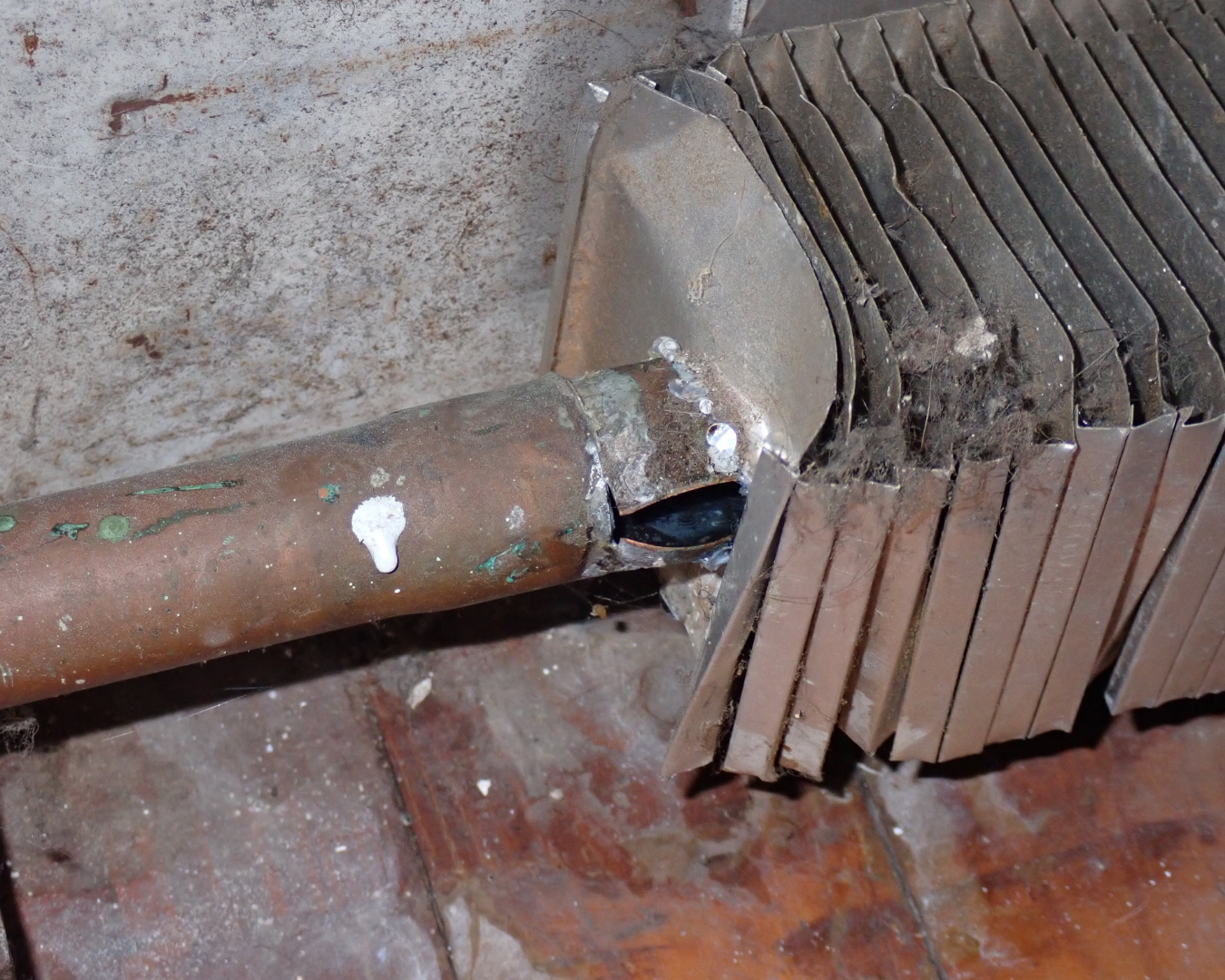
When a homeowner loses heat in the middle of winter, the problem can sometimes escalate beyond inconvenience, and it can even be catastrophic. I previously investigated a case in the New England area where a frozen hydronic heating system led to extensive water damage throughout a rental home.
The Case: A Boiler That Looked Fine—But Wasn’t
The property owner, an older woman preparing the house for her daughter to move in, visited the home after a stretch of freezing temperatures to find the home flooded. Her thermostats were set to 60°F—above the usual 55°F minimum—so she couldn’t understand why the pipes had frozen.
On-site, I found multiple pipe breaks throughout the house. The two-zone hydronic system had a 20-year-old boiler, but it was still in good condition. The problem wasn’t the boiler itself; it was what controlled it.
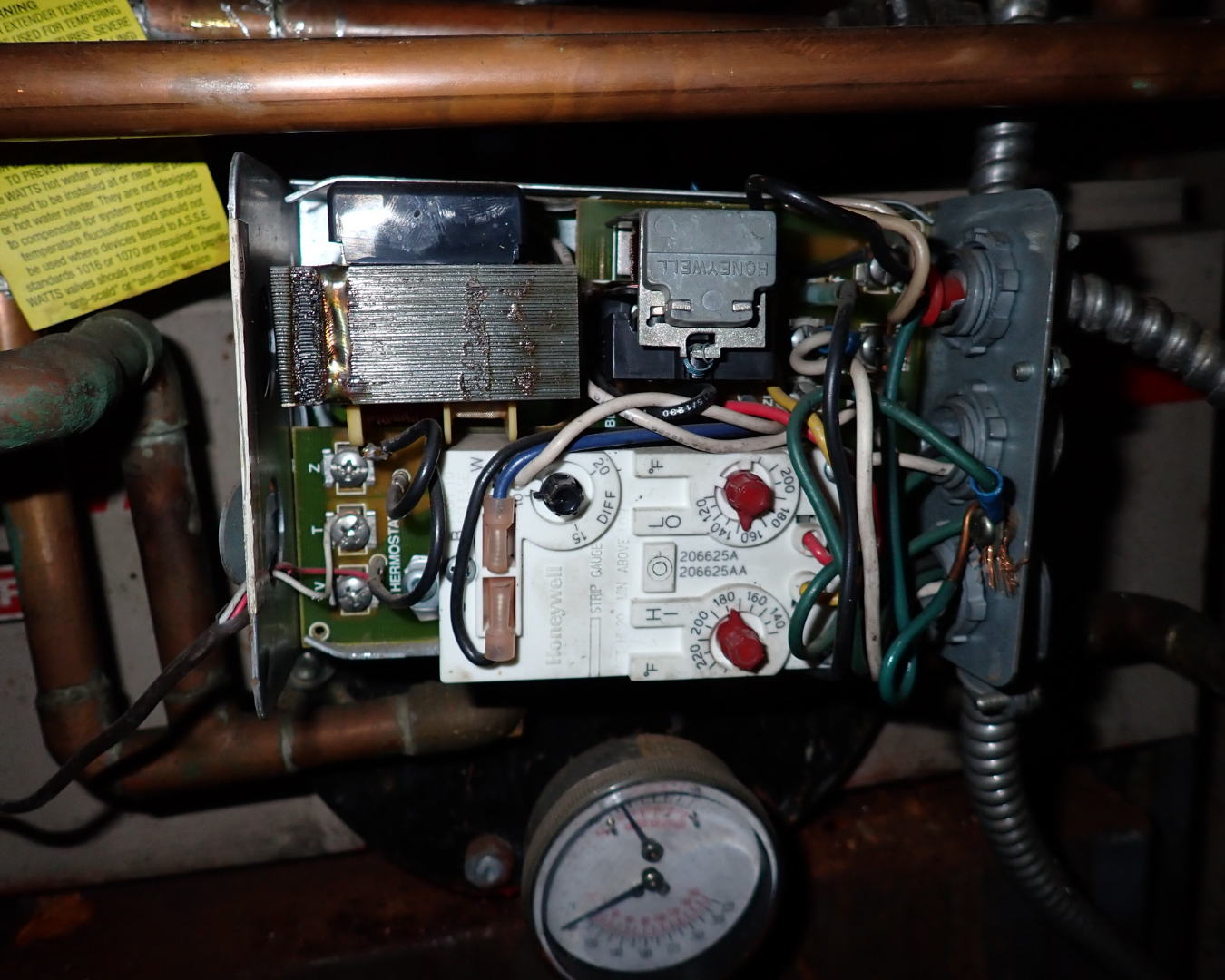
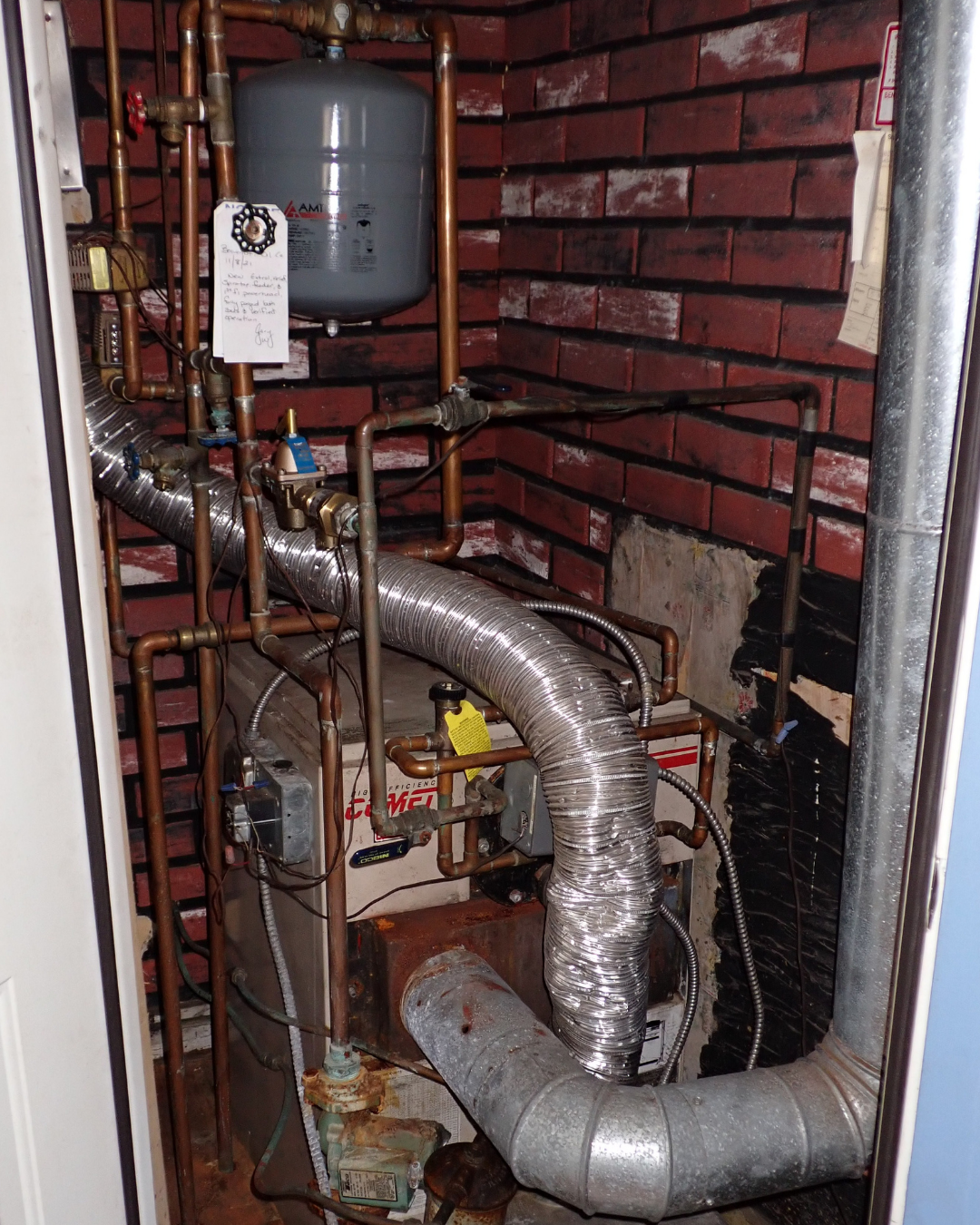
The Investigation: Following the Power Path
In a building with a hydronic system, a circulating pump moves hot water from the boiler through the pipes to provide heat to building’s heating zones. If that pump stops working, the water sits still. When the temperature drops, the stagnant water freezes, expands, and bursts the pipes.
To identify why water circulation stopped, I first simulated a call for heat at the boiler’s Aquastat then began checking for voltage and electrical continuity across the system components. Voltage at the transformers checked out, and continuity of the zone valves was intact, indicating there were no wiring breaks. However, when I evaluated the Aquastat, I found there was no voltage leading from the power line to the circulating pumps.
That told me the issue wasn’t mechanical, it was electrical. The Aquastat, the control device responsible for sending power to the pumps, had failed to energize the circuit. Without that signal, the pumps never turned on, water never circulated, and the system froze.
The Findings: A Small Failure With a Big Impact
The cause of loss was a failed Aquastat that interrupted power to the circulating pumps. The boiler was functional, the thermostats were correctly set, and the homeowner had maintained adequate indoor temperatures. The flooding resulted not from neglect but from a single electrical control failure within the heating system.
Lessons Learned for Homeowners
While no one can predict when a control device might fail, many hydronic heating problems can be prevented—or at least caught early—with routine maintenance:
- Schedule annual service: A professional inspection before winter can catch weak electrical components.
- Know your system’s normal behavior: Unusual sounds or inconsistent heating can signal circulation issues.
- Don’t assume thermostat settings tell the whole story: If you’re unsure whether your system is cycling properly, have it checked.
Hydronic systems are reliable and efficient when everything works as designed. But as this case showed, even one failed control can turn a quiet winter home into a costly repair project.
About the Author
John M. Rophael, P.E., is a mechanical consulting engineer at EDT Forensic Engineering and Consulting. He applies more than a decade of experience to evaluate the root cause of mechanical and piping system failures and to provide consultation related to HVAC systems, plumbing, mechanical design, damage assessment, and code interpretation.