
Buildings & Structures
Nationwide forensic engineering for buildings and structures. Get consulting on any scale—from minor residential damages to large industrial losses.


Assessing the Damage
ON THIS PAGE
Our engineers have the depth of knowledge to help you understand losses involving the following buildings, structures, systems, and more.
-
Structural Framing—wood, steel, concrete
-
Roofing—asphalt shingle, slate, cedar shake, single-ply (EPDM/rubber, TPO, Built-Up, Mod-Bit, SPF)
-
Cladding/Siding—windows, stucco, brick masonry, storefronts, vinyl, aluminum, fiber cement, cedar shake, curtain walls
-
Landscape/Water Management—swale, storm sewer, inlet, detention basin, retention basin, gutters, downspouts
-
Electrical Systems—lighting, appliances, communications, controls, power distribution
-
Mechanical Systems—heating, ventilation, and air conditioning (HVAC), elevators, escalators, conveyors, entrance or egress, plumbing, sprinklers
Finding the Cause
Structural damages often involve a combination of factors. Below are some common causes that we investigate.
-
Defects—construction defects, design flaws, material defects, material deterioration
-
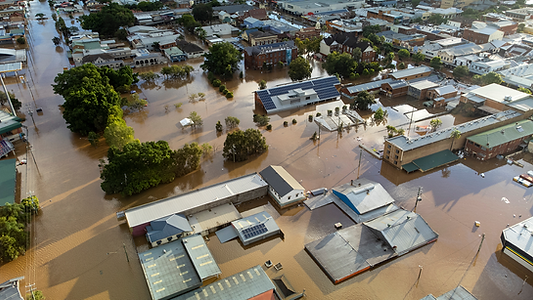
Water—water infiltration, water intrusion, rot, rain and flood damage, storm damage
-
Weather—high winds, hail damage, wind damage, tornados, hurricanes, earthquakes
-
Geotechnical—foundation, settlement, subsidence, sinkhole
-
Fires—electrical faults, heating systems, flammable materials, human error, arson
-
Code Violations—International Building Code (IBC), International Residential Code (IRC), local building codes
Common Causes We Investigate
Structural damages often involve a combination of factors. Below are some common causes that we investigate.
Root Cause Determination
We'll help you determine the cause—the underlying factor or factors that lead to a loss, such as structural damage or a building collapse. Severe weather events, material corrosion, or construction errors are all examples of causes we assess.
This unbiased engineering expertise helps you understand what happened, where it happened, and why so you can plan your next steps.
Drone Technology
Get valuable visual data, particularly for hard-to-reach areas with EDT drone technology. Our high-resolution cameras and sensors can capture footage of structures from multiple angles, maximizing our accuracy and efficiency.
Our engineers have the expertise to use this data to provide structural forensics, determine the points of failure, and assess the scope of the damage.
Large Losses & Multi-Disciplinary Teams
Choose EDT when you need a complete solution for complex losses. Our wide range of forensic engineering expertise means we can help you assess the building, plus the numerous systems and structures inside.
We have 40+ years of experience in the industry and a deep roster of professional engineers to help you handle large loss claims and in-depth investigations. When natural disasters, explosions, or large-scale industrial property damages occur, we can deploy multi-disciplinary teams with ease.
When working with a multi-disciplinary EDT team, an Engineer in Charge manages the file and coordinates with multiple engineering disciplines to offer you comprehensive and seamless building forensic engineering services.
-
Origin & Cause
-
Scope of Damage
-
Cost of Repairs
-
Coordination with Contractors, Forensic Accountants, and more
Litigation Support & Building Forensics
Get objective, technical answers for engineering litigation matters so you can map out your case with confidence.
All of our forensic consultants are professional experts, the profession’s highest standard of competence. Our engineers’ qualifications, expertise, and objectivity are compelling in the courtroom.
We can provide a variety of building forensic services like in-house animation, modeling, and graphics capabilities to reinforce our findings.
Scope of Damage/Cost of Repairs
Scope of Damage/Value of Loss
We help identify and quantify the physical damage, interpret the sequence of damage, and differentiate between damage that existed before the loss.
Cost of Repairs
Based on our assessment, we can provide recommendations to repair or remediate the damage. This includes cost details like material estimates, labor costs, and other expenses. And it can also detail instructions for repairs, materials to use, and structural improvements to make.
