

Sharing our insights
We investigate failures, analyze root causes, and share practical lessons from real-world cases — from structural issues and material breakdowns to safety hazards and system malfunctions.


Whether you're a claims professional, attorney, or simply curious about how and why failures occur, we invite you to explore the collection. Dive into topics that interest you and discover valuable forensic insights.

Recent Posts
With contributions from EDT experts across the country, our articles cover a wide range of disciplines and case types. Use the filters to quickly pinpoint topics of interest, or browse broadly to discover new insights and trends in forensic engineering.
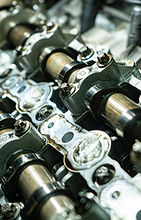

Gearhead Quandary: Be Flat or Be Crossed?
In this article, Timothy B. Hatch, P.E., compares flat‑plane and cross‑plane V8 crankshaft designs, explaining how each affects engine sound, torque, RPM, and driving characteristics. Using real‑world examples, he breaks down the engineering behind the rumble of traditional V8s versus the high‑revving scream of exotic performance engines.


Drone Use with Loss Investigations
This article explains how drones enhance loss investigations by providing safe access to hard‑to‑reach areas and capturing detailed imagery. It highlights the use of aerial documentation, 3D modeling, thermal imaging, and telephoto lenses to accurately assess damage, map large losses, and support efficient, informed evaluations.


Common Arc Welding Processes
In this article, Chris S. Spies, P.E., explains common arc welding processes used to join metal components. He outlines MIG, TIG, and stick welding, describing how each method works, where it is commonly applied, and why proper process selection is critical to weld quality, performance, and long‑term reliability.

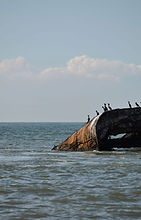
Concrete Floats?
Edward M. Deegan, Jr., M.S., P.E. explains that concrete can float when shaped to displace more water than its own weight, creating an upward push that keeps it afloat. From historic WWI concrete ships to student-built concrete canoes, this principle aids in understanding structural behavior during floods and water-related damage claims.


The Wheels on the Bus Go Round and Round … Until TheyDon’t
When a school bus axle suddenly separated at an intersection, the cause wasn’t what the first expert suspected. Kyle T. Minden, P.E. uncovers how a routine repair mistake triggered hidden fatigue failure—and why digging deeper can reveal the true story behind vehicle breakdowns.

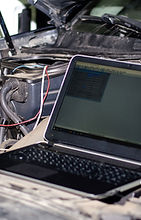
When Vehicles Appear to Function or Perform in Unexpected Ways
G. Wayne Maltry, AMT, BSAE, MSME, PE examines cases where drivers blame collisions on vehicle malfunctions like unintended acceleration, steering issues, brake failure, or ADAS errors. His forensic investigations often reveal driver misuse, maintenance problems, or system limitations—highlighting the need for thorough data analysis and inspections in claims.


A Place for Everything and Everything in Its Place
Edward M. Deegan, Jr., P.E. explores why every component in steel and solar structures has a precise place. In one investigation, braces installed on the wrong side of connection plates caused twisting after snowfall — not the snow itself. Small assembly errors can lead to outsized distortions with important implications for damage causation and claims.

The Dark Side of the Sun – When Solar Power Goes Wrong
Taylor Russell, P.E., CFEI outlines the most common ways solar installations fail — from high winds, snow, and hail damage to inverter fires, construction defects, and lithium battery hazards. This article explains why thorough forensic analysis is essential for determining causation and navigating complex, multi-party solar claims.

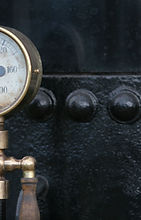
“Under Pressure” - How Codes and Standards for Pressure Vessels Keep Us Safe
Kyle T. Minden, P.E. explains how the ASME Boiler and Pressure Vessel Code keeps pressure vessels safe — from everyday water heaters and propane tanks to industrial equipment. This article traces the code’s origins after deadly explosions and shows why proper design, materials, inspection, and relief devices remain critical for preventing catastrophic failures and losses.

Understanding Octane Rating
David S. Williams, P.E., CFEI clears up common misconceptions about octane ratings. This article explains how knocking occurs in gasoline engines, how octane is measured, and why higher-octane fuel only prevents damage in high-compression performance engines — offering no efficiency or mileage benefit for most vehicles, despite what gas pump ads suggest.


Dezinci – What??? What Is Dezincification?
Richard L. Ellsworth, P.E. explains dezincification — the selective leaching of zinc from brass alloys that leaves behind weak, porous copper. Triggered by the shift from lead to zinc in plumbing components after regulatory changes, this corrosion process can cause leaks and failures in fittings and faucets with important implications for water damage claims.

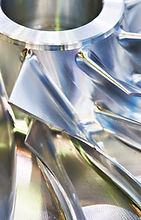
Centrifugal Compressors – Simultaneously Simple andComplex
Chris S. Spies, P.E. explains how centrifugal compressors work and why they’re widely used in HVAC systems, turbochargers, wastewater treatment, and industrial processes. This article covers their efficient impeller-and-volute design, shrouded versus unshrouded impellers, multi-stage configurations, and why proper application matching matters when evaluating equipment performance and failures.